

Muscle Doesn't Keep Your Event Safe. This Does.
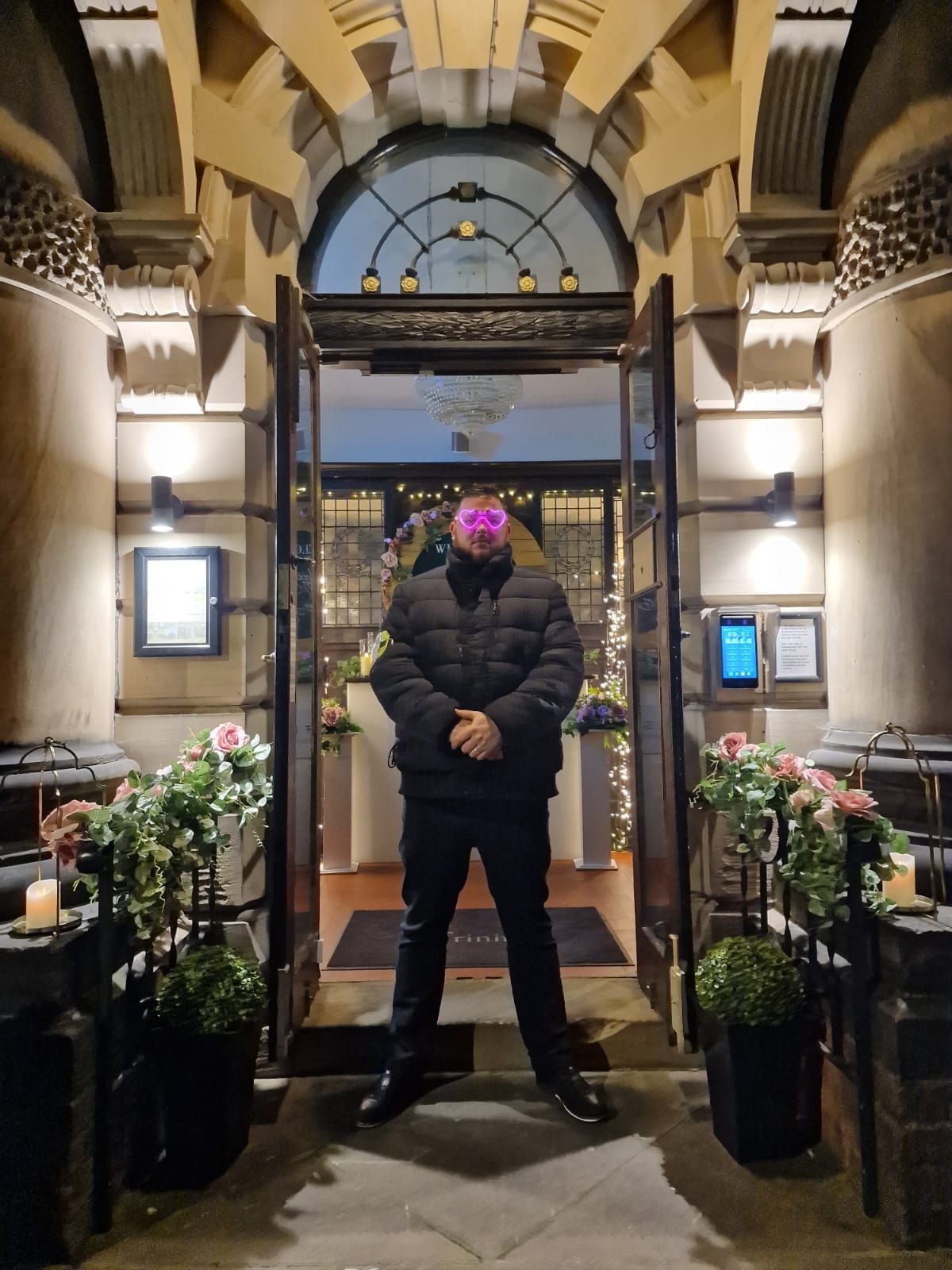
Picture the classic event security guard. Big, folded arms, blank stare, planted in a doorway like a bollard. For decades that was the whole idea of security: find the most physically intimidating person you can and hope their presence alone keeps trouble away. It is a comforting image for an organiser. It is also wrong.
We now understand something the old model missed. A scary presence does not prevent trouble — it often creates it. The need for security has not gone anywhere; if anything, it has grown. But what actually keeps your event safe has changed completely. It is not muscle. It is trained, skilled, calm professionals who know how to read a room and defuse it. Here is why.
The Old Idea of Security
The intimidation model came from a simple assumption: people behave when they are afraid. Put a big enough figure on the door and everyone falls into line. Plenty of organisers still book on exactly that basis, choosing security on size rather than skill.
The problem is that fear is a blunt instrument. It does not sort the troublemakers from the hundreds of ordinary people who were never going to be a problem. It works on everyone at once, and not in the way you would hope. To understand why, you have to look at what fear does to the human body.
What Fear Does to a Crowd
When a person perceives a threat, their body reacts before their mind gets a say. The system floods with adrenaline. Heart rate climbs, muscles tense, and attention narrows sharply onto the danger. This is the fight-or-flight response, and it is automatic.
Under that flood, the thinking part of the brain takes a back seat. People stop weighing their options and start reacting. And they do not all react the same way. Some fight — they square up and argue. Some take flight — they bolt or push through a crowd in a panic. Some freeze entirely, unable to move or respond. A good security operation is trying to prevent all three, because any of them can turn an ordinary evening into an incident.
Here is the trap. An intimidating guard is a threat trigger. When an ordinary attendee reads an officer as aggressive, their nervous system responds to the guard the way it would to any danger. Adrenaline up, reason down. Multiply that across a whole room and a hostile presence does not calm the crowd — it raises the baseline tension of everyone in it. You have made your event more volatile in the name of looking tough.
When the Guard Becomes the Problem
There is a second, quieter cost. Someone already flooded with adrenaline physically struggles to comply. Shouting at a person locked in fight-or-flight does not produce cooperation. It confirms the threat and drives them deeper into it. The louder and harder the guard pushes, the worse the situation gets.
An intimidating presence also shuts down communication.
People stay away from a guard who seems hostile, which means they will not report the creep by the bar, the gatecrasher at the gate, or the friend who has had too much and needs help. The information that keeps an event safe simply stops flowing. The scary guard has not made the room safer. He has made himself the last person anyone will turn to.
Why You Still Need Security —
More Than Ever
None of this is an argument for going without security. It is the opposite. The risks at events are real, and the standards expected of organisers are rising. Martyn's Law — the Terrorism (Protection of Premises) Act 2025, named after a victim of the 2017 Manchester Arena attack — now sets clear duties for venues and events, with a standard tier for 200 to 799 people and an enhanced tier for 800 or more. Doing nothing is not an option.
So the question was never whether you need a security guard. You do. The real question is what that guard should actually be. And the honest answer has changed.
The Shift to Trained Professionals
You are no longer hiring a deterrent to stand in a doorway. You are hiring judgement. A modern security professional earns their place by spotting trouble before it starts, reading crowd behaviour and body language that an untrained person would walk straight past. They defuse a flashpoint with a few calm words rather than a confrontation.
They know the law — exactly what they can and cannot do, and when. And they hold their nerve under pressure, which is the one thing no amount of size can fake.
This is the core of the shift. A big, scary person with no training is not protection; they are a liability.
When something goes wrong, they escalate it.
A trained, SIA-licensed officer prevents it from going wrong in the first place. You are paying for skill and composure, not for a physique.
Communication Is the Real Skill
Ask any experienced operator and they will tell you the same thing: the job is mostly talking. A calm, respectful presence signals "no threat here," which lets a person's stress response settle enough for the thinking brain to switch back on. From there, everything is easier.
Being genuinely heard lowers the emotional temperature faster than any command. Being offered a choice hands a person back a sense of control, which takes the heat out of their reaction. Being treated with respect removes the need to fight to save face. Matching anger with anger, by contrast, turns a small disagreement into a contest over who is in charge — and nobody wins that. A calm word turns the same moment into a conversation with a good ending.
Calm Under Pressure Takes Training
It would be easy to hear all this as "just be nice," but that misses the point entirely. Calm is not weakness, and firm is not the same as hostile. A skilled officer can hold a hard line — deny entry, enforce a rule, remove someone — without a single insult, threat or sneer. As the industry puts it, professional conflict management is not about being the toughest person in the room. It is about being the calmest, the sharpest and the most prepared.
Staying composed in the middle of a confrontation is genuinely difficult, because it runs against your own fight-or-flight instincts. That is precisely why it is a trained skill rather than a natural one, and why conflict management sits at the heart of the UK's SIA door supervisor qualification. Anyone can shout. Reading a situation and quietly taking the danger out of it is what separates a professional from a bloke in a black jacket.
What This Means for Your Event
At SAMS Events, this is the whole philosophy.
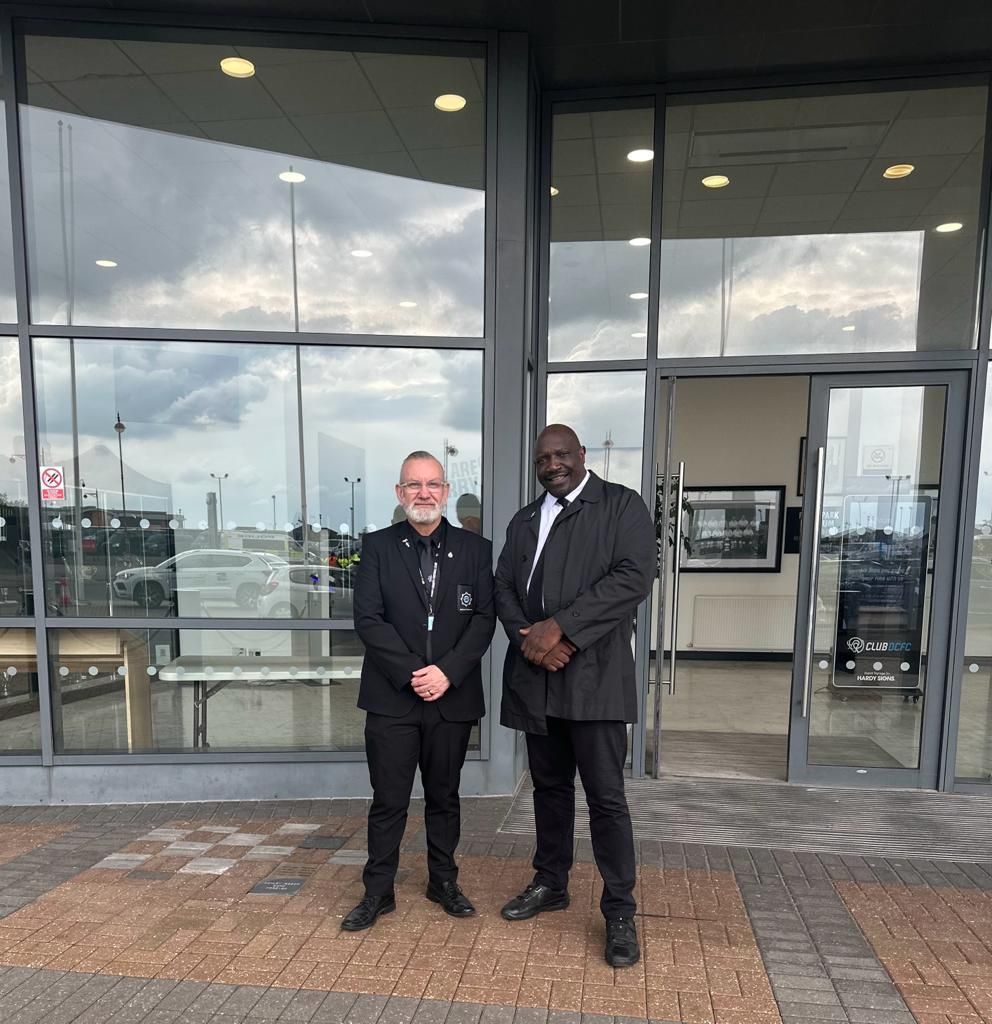
Our clients, attendees and event organisers describe our teams as friendly, professional and approachable — not because it sounds good in a testimonial, but because trained, licensed officers who read the room keep people genuinely safer than any amount of muscle.
We provide SIA-licensed event security, crowd control, gate security and mobile patrols across the Midlands, including Derby, Leicester, Nottingham and Birmingham.
The old image of the scary guard on the door is finished. What replaced it is better at the actual job. Don't hire a presence — hire professionals.
See what trained, capable security does for your event.
Frequently Asked Questions
Do you still need a security guard if intimidation doesn't work?
Yes, more than ever. The need for professional security has grown, and Martyn's Law is raising the standards expected of organisers. What has changed is that you need a trained, licensed professional rather than simply an intimidating presence.What are the 5 C's of event planning?
What should you look for in event security now?
Look for SIA-licensed officers with genuine training in conflict management and communication, real experience at events like yours, and a calm, approachable manner. Skill, judgement and composure matter far more than physical size.